How Are Human Hair Wigs Made?
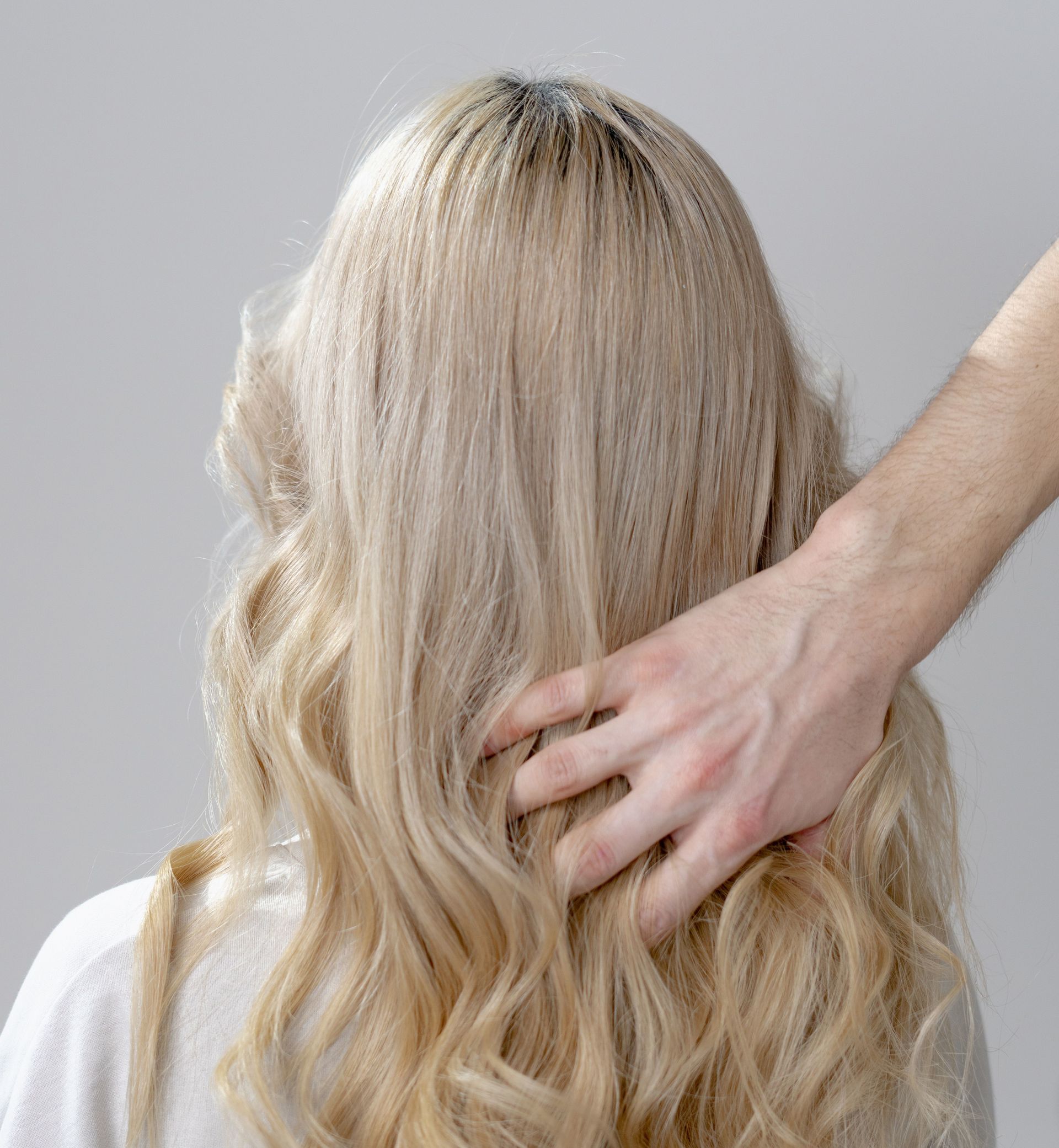
Human hair wigs are made by attaching real hair to a cap that fits over the head. The maker selects and prepares the hair, builds the cap, adds the hair and finishes the style. Some wigs are made partly by machine. Others have hairs tied in by hand for a more natural look and movement.
The process can vary from one wig to another. The right hair, cap and fit depend on how you want your wig to look and how you plan to wear it.
1. Selecting the hair
The first step is choosing real human hair. Makers look at its length, colour and texture. They may select hair that matches a person’s usual look or use it to create a new style.
Not all human hair is prepared in the same way. You may see the term Remy hair. This means the hair has been kept with its outer layers, called cuticles, running in the same direction. This can help reduce tangling. The quality of the finished wig also depends on how the hair has been handled and cared for.
For a bespoke wig, the choice can be more personal. A specialist may help you select a shade, curl pattern and level of volume that suit you.
2. Preparing the hair
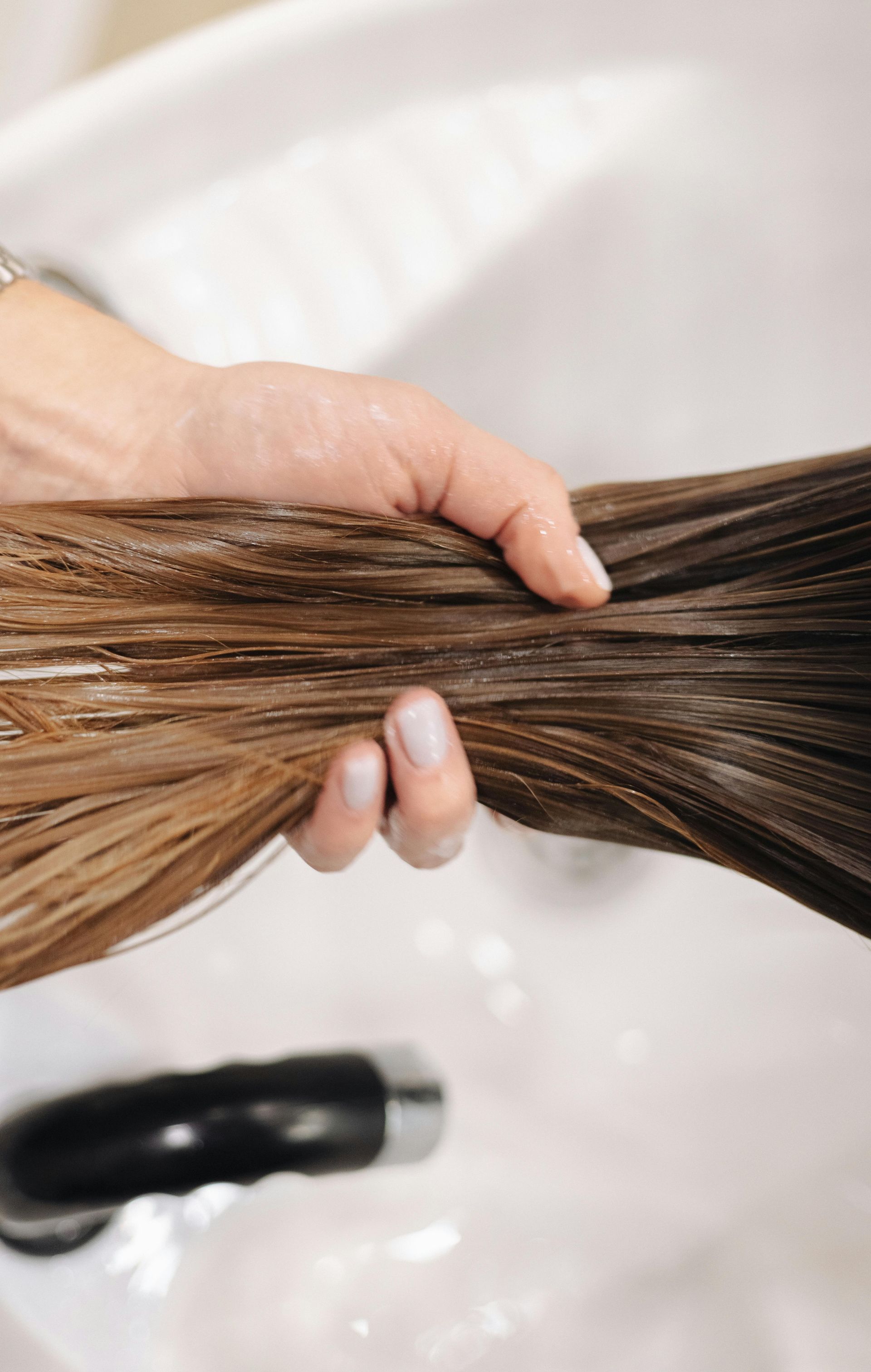
The hair is sorted into groups of similar length and texture. It is then cleaned and prepared for the chosen wig design. Depending on the result needed, the hair may also be coloured or shaped before it is attached to the cap.
Care matters at this stage. The goal is to create a natural blend while keeping the hair in good condition. A wig can include more than one shade to give the colour depth, just like natural hair.
3. Making the wig cap
The cap is the base that sits on your head and holds the hair. It affects how the wig fits, feels and looks. A cap may be made with lace, fine mesh, fabric or a mix of materials.
Different designs serve different needs:
- A lace front can create a soft-looking hairline.
- A monofilament top can make the parting look more like a natural scalp.
- A hand-tied cap can allow the hair to move freely.
- A wefted cap uses rows of hair attached to the base.
No single cap is right for everyone. The best choice depends on your scalp, your preferred style and how often you will wear the wig.
4. Adding the hair
Once the cap is ready, the hair is attached. In a hand-tied wig, the maker ties small groups of hair, or sometimes single hairs, into the cap. This is often used where the hairline or parting will be seen. It takes time, but it can give the hair a natural direction and movement.
Another method uses wefts. These are lengths of hair joined into strips, which are then sewn onto the cap in rows. Some wigs use both methods. For example, a wig may have a lace front with hand-tied hair and wefts at the back.
The maker also decides how much hair to add. Too much can look bulky, while too little may leave areas of the cap visible. The aim is a level of volume that suits the style and wearer.
5. Cutting, styling and checking the wig
After the hair is attached, the wig is checked for even coverage and a secure finish. It can then be cut and styled. This might mean shaping a fringe, adding layers or trimming the ends.
The finishing work helps turn the wig into a hairstyle that suits the person wearing it. Human hair can be styled with suitable tools and products, although it still needs gentle care. Unlike the hair growing from your scalp, a wig does not receive your scalp’s natural oils along its lengths.
How is a bespoke human hair wig different?
A bespoke wig is planned around the wearer. At JE Hair, this can include choosing the colour, length, texture and volume, then fitting the piece to feel comfortable and secure. The team can also help you find a style that matches your usual hair or explore a different look.
If you are experiencing hair loss, fit and comfort can be just as important as appearance. A consultation gives you the chance to discuss your needs and see which cap and style may work for you. You can learn more about JE Hair’s human hair wigs and the support available for alopecia.
Finding the right wig for you
Human hair wig making involves many small choices, from the hair and cap to the final cut. Understanding those steps can help you ask useful questions when choosing a wig.
If you would like advice on a natural-looking wig, contact JE Hair to arrange a personal consultation. The team can talk you through the options and help you choose a piece that feels right for your daily life.